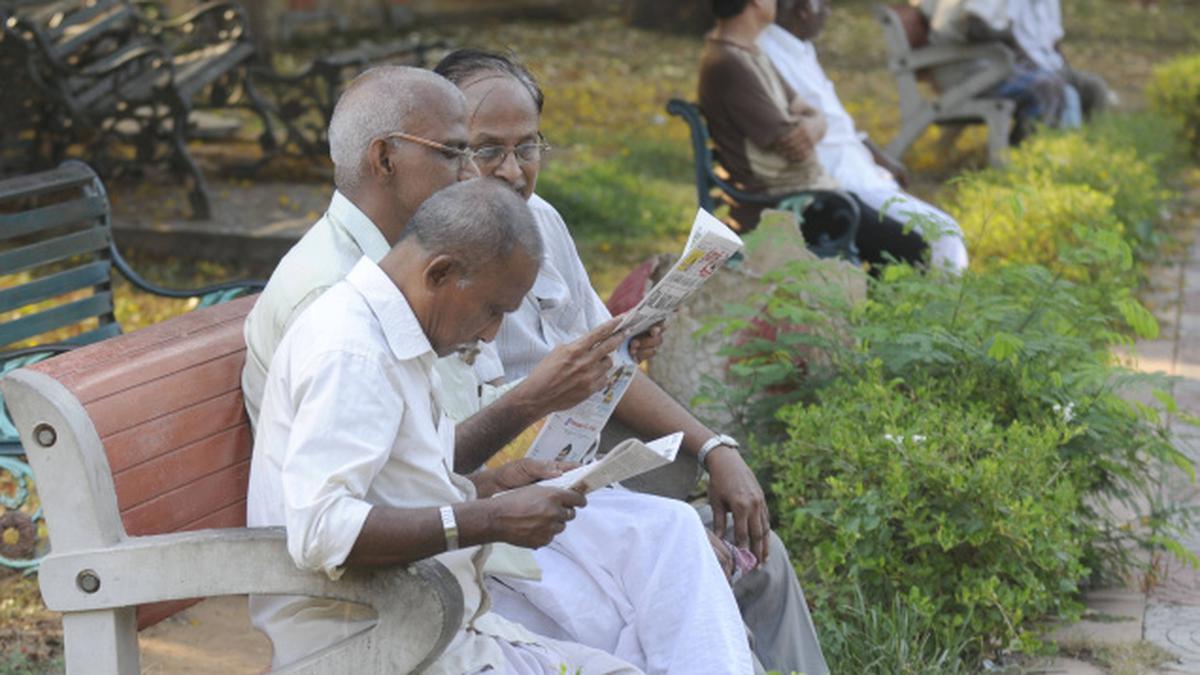
The phrase ‘generation gap’ evokes images of an unbridgeable chasm; yet, in India, it has long been softened by the enduring ties of family and tradition. Today, however, as the country stands at a demographic crossroads, one must ask whether these bonds will withstand the pressures of change and the digital boom, or fray under the weight of shifting aspirations and realities.
India’s population is ageing at a pace that would have seemed improbable only a generation ago. At least 10% of Indians are now above 60, a figure projected to rise to nearly 20% (one in five Indians) by 2050. The implications go far beyond mere numbers. They touch upon questions of identity, family construct, support systems, and the lived experience of both the young and the old.
Emotional disconnect
A recent study by HelpAge India, titled ‘Understanding Intergenerational Dynamics & Perceptions on Ageing’, reveals a paradoxical landscape. The survey covered more than 5,700 respondents (70% youth in the 18-30 age group and 30% of the elderly in the above-60 age group) from 10 cities across India.
Young Indians, when asked about their elders, are quick to invoke words such as ‘wisdom’ (51%) and ‘respect’ (43%); yet, just as readily describe them as ‘lonely’ (56%) and ‘dependent’ (48%). This duality suggests a sharp disconnect between intention and action — a phenomenon perhaps best captured in the oft-repeated lament of elders: “We are told the plan, not asked.”
The result is an emotional disconnect that data only begins to illuminate. Over half of the elderly respondents (54%) report negative feelings about ageing, often rooted in a sense of invisibility. Technology, rather than serving as a bridge, frequently becomes another battleground. “Children don’t sit and talk any more. They are always on their phones,” is another sentiment frequently voiced by elders. While 78% of the youth assume elders lack interest in digital tools, 71% of elders cite impatience and lack of support from the young in enabling them use digital tools as obstacles.
Forging bonds
Yet, beneath these surface tensions lies a foundation of hope. Both generations, when pressed, express faith in the possibility of greater understanding. Nearly half of elders (49%) and a majority of the youth (57%) believe mutual understanding can “definitely be improved.” Even more telling is their agreement on the remedy: 84% of elders and 86% of the youth see spending more quality time together and engaging in open, respectful conversations as key connectors to understanding each other. This insight resonates with the traditional Indian ethos of shared meals, rituals, and celebrations. Indeed, it is in these moments that belonging is forged and loneliness kept at bay.
The anxieties of age, it turns out, are strikingly similar across generational lines. Loneliness looms largest, cited by 69% of the youth and 68% of elders, followed closely by concerns about health and financial insecurity. The ideal of a family-centred living remains robust with nearly 9 in 10 youth (88%) expecting to live with family in old age. This mirrors the aspirations of their elders — 83% of them currently do, or plan to, live with family. Such convergence underscores the continued relevance of inter-generational households, even as urbanisation and migration test their resilience.
Why do these bonds matter? Beyond sentiment, they serve as a bulwark against the atomisation that afflicts many modern societies. For the 47% of elders who identify loneliness as their chief burden, family is both refuge and anchor. Moreover, the exchange is mutual: while elders offer wisdom and practical childcare, the youth provide guidance through the labyrinth of modernity and technology, according to respondents of the study. When approached with patience, technology itself can become an enabler. During crises, most recently the COVID-19 pandemic, these connections have proven invaluable, compensating for the gaps in formal care systems.
Intention to action
However, translating good intentions into sustained action requires more than nostalgia. Digital inclusion, for instance, must move beyond access to embrace patience and tailored learning. Notably, 75% of young Indians express willingness to support elder initiatives, though few structured opportunities exist for meaningful interaction. Community models that extend support beyond the nuclear family are essential, especially as the notion of home itself evolves. While the majority still aspire to family-based care, 30% among the young consider care homes as an alternative, compared to just 19% of elders, signalling the need for thoughtfully designed intergenerational spaces that foster, rather than fragment, connections.
Education, too, has a role to play. Building empathy, care and literacy about ageing across the lifespan can help counter ageist attitudes and prepare society for the coming transformation. Policy frameworks must adapt, supporting families while innovating new models of care.
India’s demographic shift presents a choice: to view ageing as a challenge to be managed, or as an opportunity to reaffirm and reinvent the inter-generational connect that has long been our strength. The evidence suggests both peril and promise. It is up to us — as individuals, communities, and policymakers — to ensure that the bridges between generations are not only preserved, but strengthened for the years ahead.
Kiran Karnik, Chairperson, HelpAge India; Rohit Prasad, CEO, HelpAge India
Published – September 30, 2025 01:04 am IST